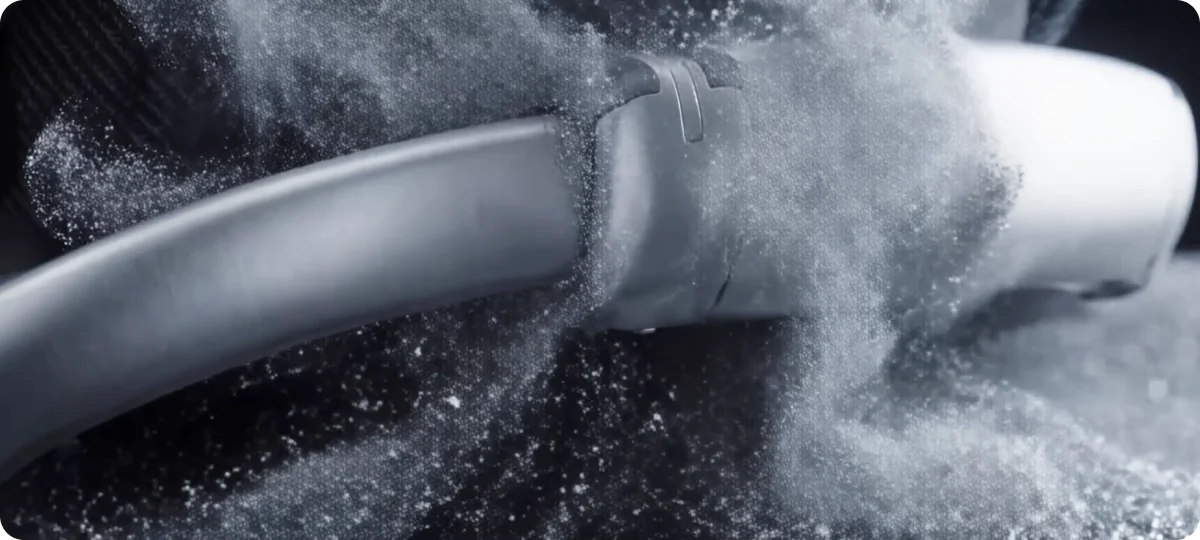
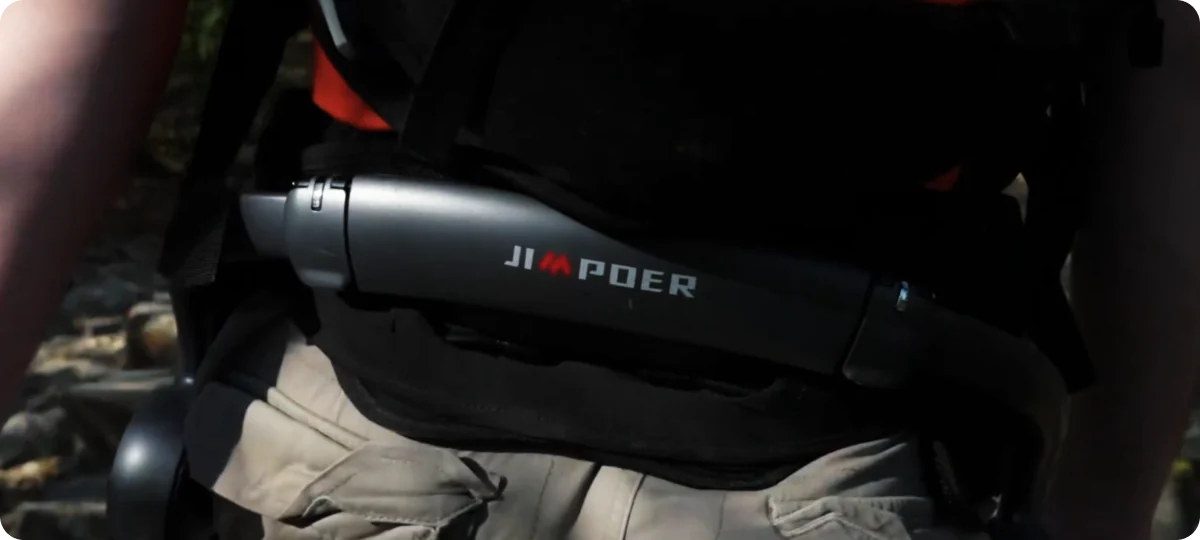
In developing and manufacturing the body of our product, we have always made extreme light weight and very high reliability our core goals. In a breakthrough, we use automotive-grade magnesium alloy for the main structure of the host frame, achieving a leap forward in structural strength, durability and portability and ultimately compressing the body weight to just 2kg. This resolves an industry pain point of comparable products: that “high performance must come at the cost of weight”. Unlike ordinary industrial-grade magnesium alloys and aluminum alloys, the automotive-grade magnesium alloy we have chosen strictly follows stringent product quality standards. From alloy composition, high-temperature adaptability and fatigue life to surface treatment, it meets the demanding requirements of automotive components. As one of the best-performing structural metals for lightweighting in engineering today, magnesium alloy has unmatched material advantages: its density is only 1.74g/cm³, just 2/3 that of aluminum alloy and 1/4 that of steel, giving a rated weight reduction of 30%-35% for the same volume. While it greatly reduces weight, it does not sacrifice the load-bearing capacity or deformation resistance of the body at all. We have deeply integrated these material properties with structural design. With high-strength magnesium alloy as the core load-bearing framework of the body, topology optimization places the material precisely and releases the full lightweighting potential of magnesium alloy. The magnesium alloy framework takes on force transmission and support for the whole machine while connecting seamlessly with the main body. Structural optimization achieves extreme light weight while keeping the body stable, rigid and impact resistant, bringing the body weight to 2kg in its class. Through this twofold innovation in material and structure, we redefine the performance ceiling and the user experience of comparable products.
The Skeleton of the Exoskeleton: Automotive-Grade Magnesium Alloy
Automotive-Grade Magnesium Alloy: Redefining the Benchmark for Body Performance
To build an exoskeleton that is truly reliable in all weather, the choice of material is where the engineering begins. We brought the automotive-grade magnesium alloy of the car industry into the frame of the body. This standard means the material has been through rigorous testing before it leaves the factory, from high- and low-temperature cycling tests to verification of dimensional stability at extreme temperatures. Automotive-grade magnesium alloy offers excellent specific strength and corrosion resistance, and keeps its physical properties and durability stable in extreme environments, adapting to all kinds of harsh conditions.
The 2kg Weight Philosophy: Completely Reshaping the Experience in Every Scenario
The mission of an exoskeleton is to lighten the load, not add to it. With an almost uncompromising standard for light weight, we have kept the weight of the entire host frame precisely at about 2kg. What does that actually mean? 2kg is roughly equal to 1 liter of bottled water, or the weight of a tablet computer. Yet this weight provides you with lasting, balanced biomechanical lever-arm support while keeping just the right counterweight, so that during long periods of walking, climbing or carrying, the wearer is almost freed from the extra metabolic cost, felt burden and lumbar energy expenditure caused by the device’s own weight. It does not ask you to adapt to the machine; it makes the machine follow you, giving your own strength and agility back to you.
Rigid and Flexible from One Source: Light in Weight, Not in Quality
Light weight often comes with a compromise on rigidity, but we chose the harder path. Within a weight of less than 2kg, the magnesium alloy body builds an invisible mechanical skeleton. The material’s unique damping properties allow magnesium alloy to absorb vibration effectively, easing the sense of fatigue while transferring load. This “both rigid and flexible” character makes the body like an elastic rod living in symbiosis with your muscles: it swings without swaying, and is tough without being stiff. Even in high-intensity use, the handling remains refined and effortless.